What Happens During a Massage?
- atienomondi19
- Mar 13
- 3 min read

Updated: Mar 14
For many people, massage is associated with relaxation, but there is much more happening during a session than simply lying down and feeling comfortable.
A massage is a structured treatment that works on the muscles, circulation, and nervous system to help the body release tension and recover.
If you have ever wondered what actually happens during a massage, understanding the process can help you feel more confident and appreciate the full value of the treatment.
The Session Begins with Understanding Your Body
Every massage starts by identifying what your body needs.
Some people come in because of muscle tightness, stress, fatigue, or general discomfort. Others simply need time to relax after long days of physical or mental strain.
This helps the therapist know which areas need more attention and what level of pressure will be most comfortable for you.
Because every body is different, no massage should feel exactly the same for everyone.
Gentle Pressure Helps the Body Relax First
At the beginning of the massage, the body is introduced to gentle movements and pressure.
This first stage is important because muscles often hold hidden tension, especially when someone has been stressed, sitting for long hours, or physically tired.
As the body starts to relax, breathing becomes calmer and muscles begin to soften.

This is when the body starts shifting from tension into recovery.
Muscles Are Then Worked More Deeply
Once the body begins to relax, the therapist focuses on areas where muscles feel tight, stiff, or overworked.
This may include:
the back
shoulders
neck
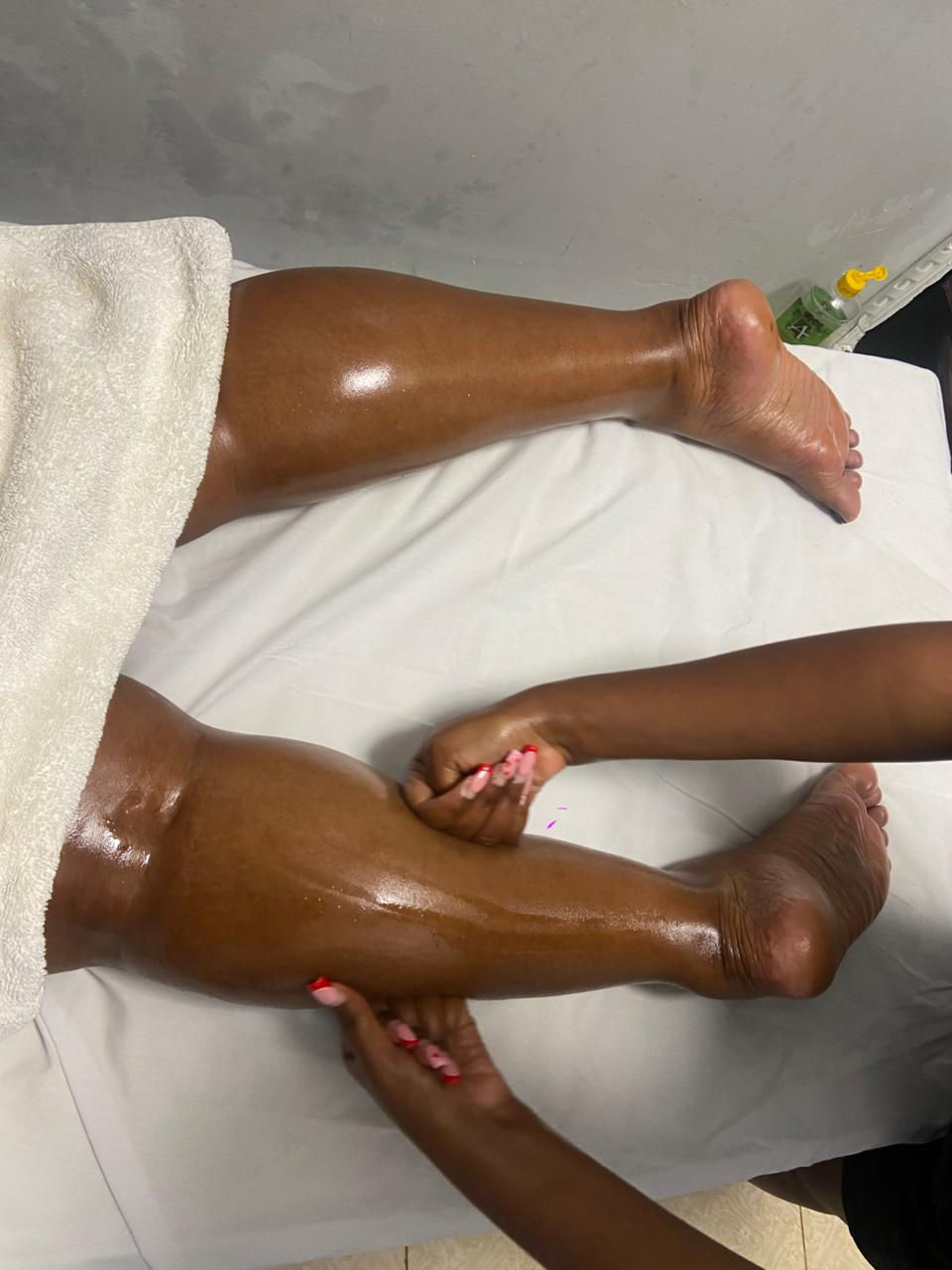
legs
arms
The purpose is to improve circulation, loosen muscle tightness, and support movement.
When circulation improves, oxygen and nutrients move better through the body, which helps muscles recover.
This is why many people feel lighter after a massage.
Massage Also Affects the Nervous System
One of the most important parts of massage is how it affects the nervous system.
When the body receives steady therapeutic touch, stress levels often begin to reduce.
The body starts producing relaxation responses that can help:
reduce mental tension
improve mood
support better sleep
lower physical stress
This is why massage often helps both the body and mind at the same time.
Some Areas Need More Attention Than Others
Many people carry tension in specific areas without realizing it.
Common areas include:
shoulders from stress
lower back from sitting long hours
legs from standing or walking a lot
The therapist often spends more time on these areas to help release built-up tension.
Sometimes clients are surprised by how much relief they feel in places they did not realize were tight.
After the Massage, the Body Continues Responding
The benefits of massage do not end immediately after the session.
The body often continues adjusting for hours afterwards.
Many people notice:
lighter muscles
easier movement
reduced body fatigue
calmness
improved sleep
This is why regular massage can support long-term body wellness.
Why Regular Massage Matters
Massage should not only be seen as a luxury.
For many people, it becomes part of maintaining:
physical comfort
stress control
muscle recovery
overall wellness
When done regularly, massage helps prevent too much tension from building in the body.
A massage is not only about touch. It is a process that helps the body slow down, recover, and function better.
When done professionally, it supports both relaxation and body care in a way many people only fully understand after experiencing it consistently.


Comments